Lamb Madras Recipe (Spicy South Indian Curry)
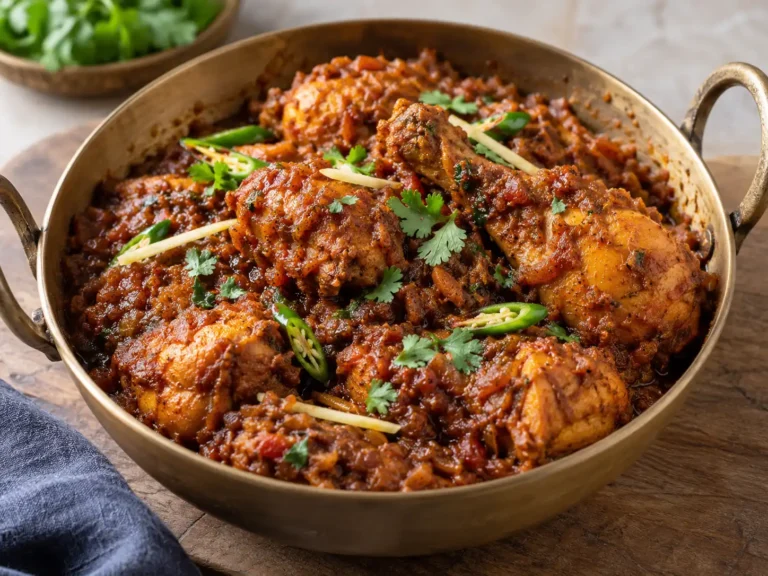
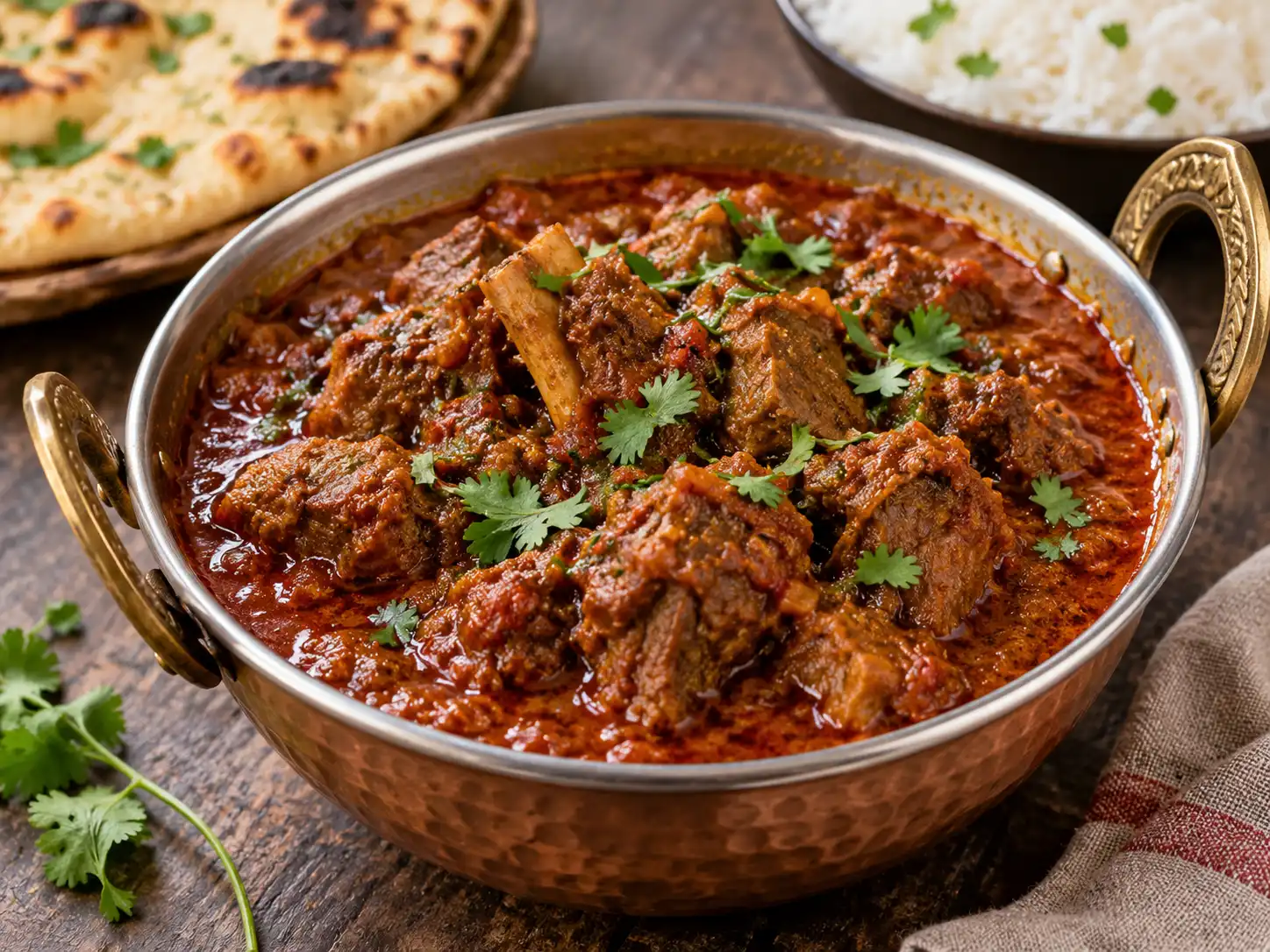
Lamb madras is a well-known South Indian curry characterized by its deep red color, prominent roasted spice blend, and sharp, tangy heat. This version relies on a quick homemade spice paste and slow-simmered lamb until the meat becomes tender and absorbs the robust flavors of the sauce.
The key to success here is thoroughly browning the lamb and letting the spices bloom in the oil before introducing the tomatoes, which creates a well-rounded base without relying on pre-made curry powders.
Why This Recipe Works
- Roasting whole spices briefly before grinding releases their aromatic oils, giving the curry a sharper and fresher flavor than pre-ground powders.
- Searing the lamb chunks in batches prevents overcrowding, ensuring the meat develops a browned crust rather than steaming in its own juices.
- Simmering the curry covered on low heat allows tough cuts of lamb to break down fully while concentrating the tomato and tamarind flavors.
Ingredient Notes
- Lamb shoulder: Cut into bite-sized chunks. Shoulder has enough fat and connective tissue to stay tender during long braising, unlike lean leg cuts.
- Dried red chilies: Provide both the characteristic heat and deep red color. Adjust the quantity up or down based on your spice preference.
- Tamarind paste: Adds the signature tartness that balances the heat of the chilies. If using a block of tamarind, soak it in warm water and extract the pulp before adding.
- Desiccated coconut: Ground into the spice paste to add a subtle nutty background and help thicken the sauce slightly as it simmers.
If You’re Cooking Outside India
- Dried Kashmiri red chilies: Often found in South Asian grocery stores or online. They provide a vibrant red color and moderate heat; you can substitute a mix of regular cayenne and paprika if unavailable.
- Tamarind paste: Available in jars or blocks at international aisles and Asian grocery stores. Lime juice can work in a pinch for acidity, though it lacks tamarind’s distinct earthy tang.
How to Make Lamb Madras
Roast and Grind Spices
Dry roast the whole spices and dried chilies until fragrant, then grind them into a fine paste with coconut, garlic, ginger, and a splash of water.
Brown the Lamb
Sear the lamb pieces in oil until well-browned on all sides to build savory flavor in the pan.
Build the Sauce
Sauté onions until golden, fry the ground spice paste until oil separates, then add tomatoes and cook until pulpy.
Simmer
Return the lamb to the pot with water, cover, and simmer until the meat is fork-tender and the sauce is thick.
Cooking Tips
- Do not rush the onion-browning stage; developing a deep golden-brown base gives the curry its rich background flavor.
- Stir the spice paste frequently while frying in the oil so it thickens and darkens without burning on the bottom of the pan.
Common Mistakes to Avoid
- Adding all the lamb to the pan at once, causing it to release water and stew rather than brown: Sear the meat in two or three separate batches in a hot pan.
- Using a lean cut of lamb like leg, which can turn dry and tough during long simmering: Use bone-in or boneless lamb shoulder with adequate fat distribution for best results.
Variations
- Beef Madras: Substitute boneless chuck roast cut into cubes for the lamb, adjusting the simmering time until the beef is tender.
Serving Suggestions
- Serve hot with steamed basmati rice or warm naan.
- Pair with a simple cooling cucumber raita to balance the heat of the curry.
Storage & Make-Ahead
Make ahead: The curry tastes even better when made a day in advance as the spices continue to meld.
Refrigerate: Store in an airtight container in the refrigerator for up to 3 days.
Freeze: Freeze in a sealed container for up to 2 months. Thaw overnight in the refrigerator.
Reheat: Warm gently on the stovetop over medium-low heat, adding a splash of water if the sauce has thickened too much.
Frequently Asked Questions
Can I use boneless leg of lamb instead of shoulder?
Yes, but leg of lamb is leaner and can dry out during long simmering. Cut the pieces slightly larger and check them for tenderness a bit earlier.
How can I make the curry less spicy?
Reduce the number of dried red chilies in the spice paste and omit the black peppercorns.
More Indian Recipes to Try
Browse the IndiPlated recipe index
Lamb Madras
Ingredients
Equipment
Method
- In a small pan over medium-low heat, dry roast the coriander seeds, cumin seeds, peppercorns, and dried red chilies until fragrant, about 2 minutes. Transfer to a spice grinder along with the desiccated coconut, garlic, ginger, and 2 tablespoons of water. Grind into a smooth paste.
- Heat 2 tablespoons of oil in a heavy-bottomed pot over medium-high heat. Add the lamb cubes in batches, searing until browned on all sides. Remove the lamb and set aside.
- Add the remaining 1 tablespoon of oil to the same pot. Add the chopped onion and cook until golden brown at the edges, about 6 to 8 minutes. Add the ground spice paste and turmeric powder, stirring constantly for 3 to 4 minutes until the oil begins to separate from the paste.
- Stir in the chopped tomatoes and salt. Cook, mashing occasionally with the back of a spoon, until the tomatoes break down into a thick sauce, about 5 minutes.
- Return the browned lamb and any accumulated juices to the pot. Stir in the diluted tamarind paste and 1 1/2 cups of water. Bring to a boil, then reduce heat to low, cover, and simmer for 50 to 60 minutes, stirring occasionally, until the meat is fork-tender and reaches an internal temperature of 74°C / 165°F at the thickest piece.
- Uncover the pot during the last 10 minutes of cooking if the sauce needs thickening. Adjust salt to taste and serve hot.