Chapati Recipe (Soft Indian Flatbread)
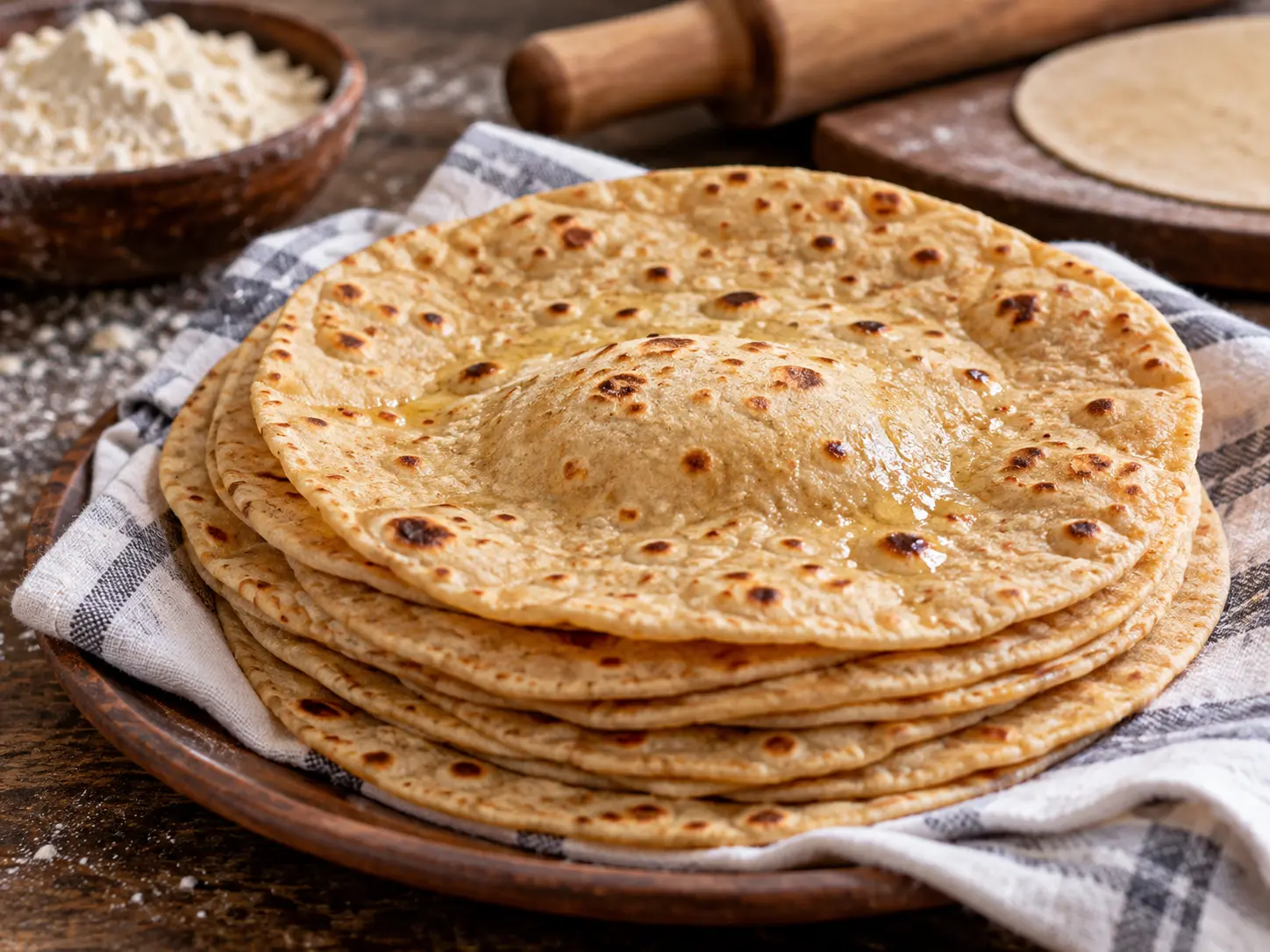
Chapati, also known as roti, is an unleavened flatbread that accompanies daily meals across India. Made from stone-ground whole wheat flour and water, a well-made chapati is soft, pliable, and thin enough to fold easily around curries and dals.
Getting consistent results depends on two main stages: fully hydrating the flour during kneading to build a supple dough, and managing the heat of the pan so the flatbread cooks quickly without drying out.
Why This Recipe Works
- Kneading the dough with warm water helps the flour absorb moisture quickly, yielding a more pliable texture.
- A short resting period allows the gluten to relax, which makes rolling the dough thin and even much easier.
- Cooking on a preheated tawa or cast-iron skillet ensures rapid steam production inside the dough, which helps the chapati puff up and stay soft.
Ingredient Notes
- Gehun ka atta (Indian whole wheat flour): This is a very finely milled whole wheat flour. Unlike Western whole wheat flour, which contains coarse bran and makes dense flatbreads, atta is finely ground to produce a soft, pliable crumb.
- Water: Using warm water helps the starches in the flour hydrate faster. This makes the dough softer and easier to knead.
- Oil or Ghee: Adding a small teaspoon of oil or ghee during kneading softens the dough further and prevents it from sticking. Brushing the finished chapatis with ghee keeps them soft for longer.
If You’re Cooking Outside India
- Atta Flour: Look for bags labeled ‘Atta’ or ‘Chakki Atta’ at South Asian grocery stores. Common brands include Aashirvaad, Sujata, and Royal. Standard Western whole wheat flour is too coarse; if you cannot find atta, a mix of equal parts white all-purpose flour and standard whole wheat flour is a workable substitute.
- Tawa: A tawa is a flat, rimless cast-iron or aluminum griddle. If you do not have one, a heavy cast-iron skillet or a heavy-bottomed non-stick frying pan works well.
How to Make Chapati
Kneading the Dough
Combine the flour and water gradually, kneading until you get a smooth, soft dough that does not stick to your fingers.
Resting
Cover the dough and let it rest. This step relaxes the gluten, making the dough easy to roll out thin without springing back.
Rolling
Divide the dough into equal portions and roll each into a thin, even circle using a rolling pin and a light dusting of dry flour.
Cooking on the Griddle
Place the rolled dough on a hot, dry tawa. Flip when bubbles appear, and press gently with a clean cloth or spatula to encourage puffing.
Cooking Tips
- Use warm water when mixing the dough to encourage fast absorption.
- Keep the rolled chapatis covered under a clean kitchen towel while you finish cooking the rest to prevent them from drying out.
- Ensure your pan is hot before adding the chapati. If the pan is cold, the dough will dry out and turn hard before it cooks.
Common Mistakes to Avoid
- The chapati turns out hard and cardboard-like: This usually happens if the dough is too dry or if you cooked it too long on low heat. Ensure the dough is soft and wet enough to need a little dry flour during rolling, and cook on medium-high heat so it cooks in under two minutes.
- The flatbread does not puff up: An unevenly rolled chapati with thin spots or holes will leak steam, preventing it from puffing. Roll with even, gentle pressure from the center outward.
Variations
- Butter Roti: Brush the freshly cooked chapati immediately with melted unsalted butter instead of ghee.
- Layered Chapati: Roll the dough into a disc, apply a thin smear of ghee, fold it into a triangle or semi-circle, and roll it out again before cooking to create flaky layers.
Serving Suggestions
- Serve warm alongside classic curries, such as chicken curry or mixed vegetable subji.
- Pair with dal tadka or dal makhani for a simple daily meal.
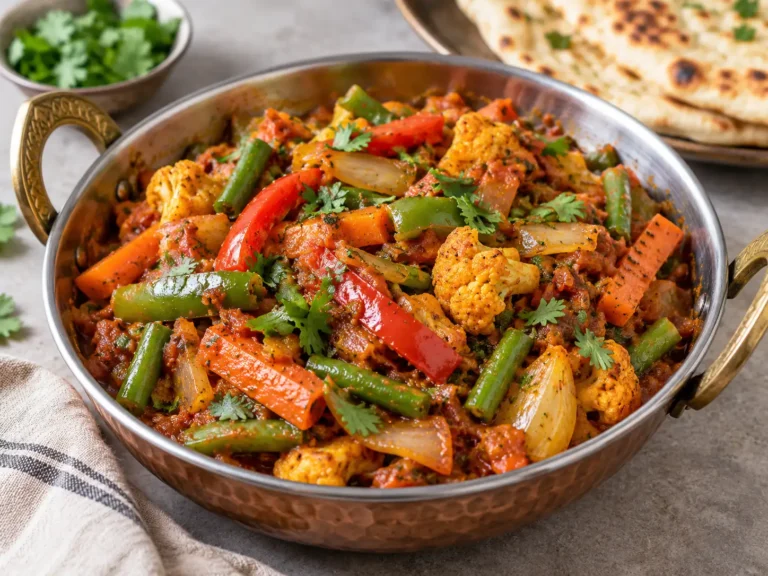
- Use to scoop up dry stir-fries like aloo gobi or bhindi masala.
Storage & Make-Ahead
Make ahead: You can knead the dough up to 24 hours in advance. Store it in an airtight container in the refrigerator with a thin smear of oil on top to prevent a skin from forming.
Refrigerate: Wrap cooked, cooled chapatis in foil or place them in an airtight container. Keep in the refrigerator for up to 2 days.
Freeze: Stack cooked chapatis with parchment paper between each one, wrap tightly in foil, and place in a freezer-safe bag. Freeze for up to 1 month.
Reheat: Warm the chapatis on a hot tawa for 15 to 30 seconds on each side, or wrap a stack in a damp paper towel and microwave for 15 to 20 seconds.
Frequently Asked Questions
Why are my chapatis hard and chewy?
Hard chapatis are usually caused by a dry dough or slow cooking. Make sure your dough is soft and pliable, and that your tawa is hot enough to cook the chapati in under 2 minutes.
Can I use standard whole wheat flour instead of atta?
Standard Western whole wheat flour contains larger bran particles, which tear the dough and make the chapatis dense. If you cannot find atta, mix equal parts all-purpose flour and Western whole wheat flour for a softer result.
Do I need to use oil or ghee in the dough?
While oil is not strictly required, adding a teaspoon of oil during the final kneading stage helps soften the gluten structure and keeps the cooked chapatis soft for longer.
More Indian Recipes to Try
Browse the IndiPlated recipe index
Chapati
Ingredients
Equipment
Method
- In a large mixing bowl, combine the atta flour and salt.
- Add the warm water gradually, about a quarter-cup at a time, mixing with your fingers. Stir until the flour starts to clump together and form a shaggy dough.
- Add the vegetable oil. Knead the dough vigorously with your knuckles for 5 to 8 minutes. The dough should become smooth, soft, and elastic. If it feels too sticky, dust with a tablespoon of atta. If it feels too stiff, sprinkle a teaspoon of water.
- Shape the dough into a ball. Cover the bowl with a damp kitchen towel or plastic wrap and let it rest at room temperature for 20 minutes.
- After resting, knead the dough gently for 30 seconds. Divide it into 8 equal portions. Roll each portion between your palms to form smooth, crack-free balls, then flatten them slightly.
- Heat your tawa or skillet over medium-high heat. Take one dough ball, dust both sides lightly with dry atta, and place it on your rolling board. Roll gently from the center outward, rotating the dough frequently to maintain a thin, even circle about 6 to 7 inches in diameter.
- Shake off any excess dry flour from the rolled chapati. Place it onto the hot tawa. Cook for 30 to 40 seconds until small bubbles begin to form on the surface and the underside shows light golden spots.
- Flip the chapati. Cook the second side for 30 to 40 seconds. You will see larger bubbles forming and brown spots developing on the bottom.
- Flip back to the first side. Using a clean kitchen towel or a flat spatula, gently press the edges of the chapati. The steam inside will expand, causing the flatbread to puff up. Remove from the tawa immediately.
- Place the cooked chapati in a basket lined with a clean towel. Brush the top with a tiny smear of ghee if desired. Repeat the process for the remaining dough balls, stacking the cooked chapatis on top of each other to trap steam and keep them soft.
Notes
Do not use too much dry flour while rolling, as excess flour will burn on the hot tawa and make the chapatis bitter.
Keep the dough covered at all times to prevent a dry crust from forming.