Authentic Goan Fish Curry
Introduction
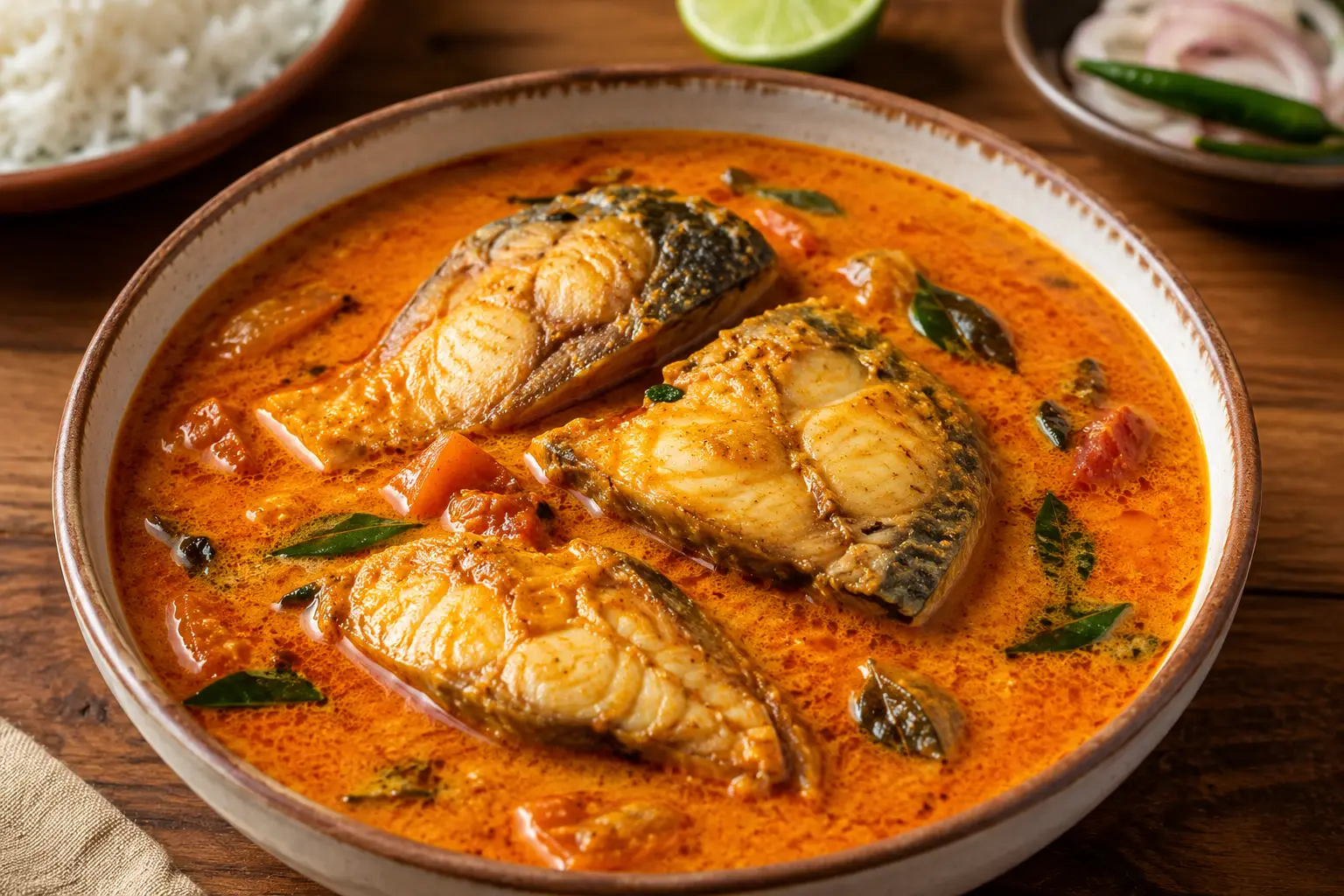
Imagine walking into a breezy beachside shack in Goa, where the air is thick with the scent of salty sea spray and warm coconut oil roasting over open flames. That vibrant, sun-drenched feeling is exactly what you get when you scoop up a spoonful of this authentic Goan Fish Curry. It is a spectacular dance of fiery red Kashmiri chilies, sweet coconut, and the mouth-puckering sourness of tamarind.
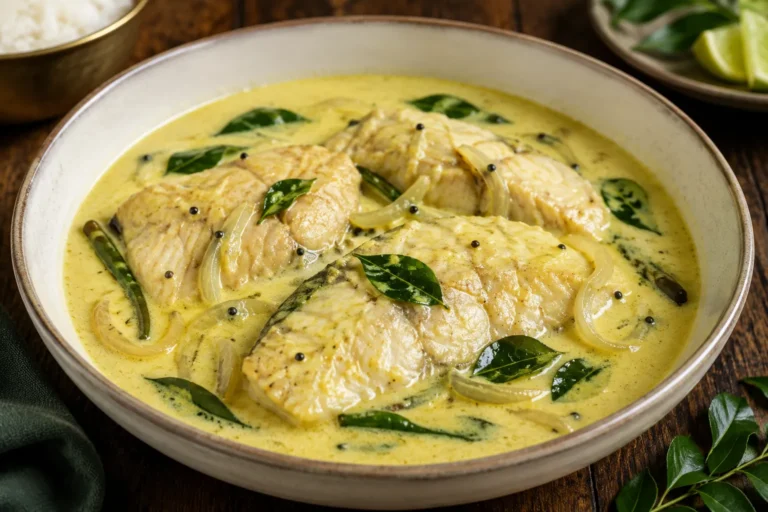
Unlike the heavy, nut-rich gravies of Northern India, coastal cooking relies on fresh, clean tropical flavors. If you have ever enjoyed a light, mustard-infused Indian Fish Curry, you will find this Goan version to be its creamy, tangy southern cousin. It is wonderfully complex yet surprisingly forgiving for beginners.
My favorite way to enjoy this is on a lazy Sunday afternoon. Pour yourself a cold drink, let the curry simmer gently, and watch how a few simple ingredients transform into a deeply comforting coastal masterpiece. It is the kind of dish that begs you to eat with your hands, mixing the rich gravy into mounds of steaming rice.
Why You’ll Love This Recipe
- Perfect Balance of Flavors: It hits every taste bud with fiery heat, rich coconut sweetness, and bright tamarind sourness.
- Incredibly Fast: Because seafood cooks in minutes, you can have a restaurant-quality meal ready in under half an hour.
- Beginner-Friendly Technique: The secret lies in a simple blended spice paste—no advanced chopping or complicated frying needed.
- Naturally Dairy-Free: The luscious, velvety texture comes entirely from fresh coconut milk and coconut paste.
- Highly Adaptable: While traditional Goan curries use kingfish, you can easily swap in whatever firm white fish is fresh at your local market.
Ingredients
- 500 g firm white fish fillets (Kingfish, Sea Bass, or Cod, cut into 2-inch chunks)
- 0.5 tsp turmeric powder (divided)
- 1 tsp salt (divided)
- 0.5 unit lime juice (freshly squeezed)
- 1 cup grated coconut (fresh or frozen unsweetened)
- 5 units dried Kashmiri red chilies (soaked in warm water)
- 1 tsp coriander seeds
- 0.5 tsp cumin seeds
- 4 cloves garlic
- 1 inch ginger (peeled)
- 1 tbsp tamarind paste
- 2 tbsp coconut oil (traditional Goan flavor)
- 1 medium onion (finely chopped)
- 1 medium tomato (finely chopped)
- 2 units green chilies (slit lengthwise)
- 1 cup thin coconut milk (or warm water)
How to Make
Step 1: Marinate the Fish
Place your 500g of fish chunks in a bowl. Rub gently with lime juice, 1/2 tsp salt, and 1/4 tsp turmeric powder. You will see the fish turn a beautiful golden hue. Set aside to marinate for 15 minutes at room temperature; this seasons the fish deep to the bone so it isn’t bland inside.
Step 2: Blend the Goan Masala
In a high-powered blender, combine the grated coconut, soaked Kashmiri chilies, coriander seeds, cumin seeds, garlic, ginger, tamarind paste, and remaining turmeric. Add 1/2 cup of water and blend until it forms a completely smooth, bright orange-red paste. It should feel velvety between your fingers, with no grainy coconut bits remaining.
Step 3: Sauté the Aromatics
Heat 2 tbsp of coconut oil in a deep pan over medium heat. Add the finely chopped onions and green chilies. Sauté for about 5 minutes until the onions turn soft, sweet, and translucent. You want them to dissolve into the gravy later, not stay crunchy.
Step 4: Cook the Tomatoes
Add the chopped tomatoes to the pan. Cook for 3 to 4 minutes, pressing down with your spoon, until they soften completely and begin to release their oils around the edges of the pan.
Step 5: Fry the Masala Paste
Pour the blended orange masala paste into the pan. Stir continuously over medium-low heat for 5 minutes. You will smell the raw garlic and ginger fade away, replaced by an intensely aromatic, sweet, roasted coconut aroma. Tiny droplets of oil will begin to separate at the edges.
Step 6: Simmer the Gravy
Stir in the thin coconut milk (or water) to adjust the consistency. Bring the gravy to a gentle, lazy simmer. Do not let it boil rapidly, or the coconut may split. Season with salt to taste.
Step 7: Poach the Fish
Gently slide the marinated fish pieces into the simmering gravy. Swirl the pan to submerge them completely. Cover and simmer gently for 5 to 7 minutes. You will know the fish is done when it turns opaque and flakes easily when nudged with a fork. Turn off the heat and let it rest for 5 minutes before serving.
Chef’s Tips
- 💡 Chef’s Tip: Do not over-stir the curry once the fish is added. Gently shake or swirl the pan instead. Using a spatula too vigorously will break the delicate fish chunks.
- 💡 Chef’s Tip: If you want an extra rich gravy, splash in 2-3 tablespoons of thick, canned coconut cream right at the very end of cooking, just after turning off the heat.
- 💡 Chef’s Tip: Let the curry rest for 15-20 minutes before serving. The flavors of coconut, tamarind, and fish marry beautifully as the dish cools slightly.
Common Mistakes to Avoid
- ❌ Using delicate fish: Avoid flaky fish like tilapia or cod loin that is too soft, as it will break apart and turn your beautiful gravy into a fish mash.
- ❌ Rushing the onion sauté: If you do not cook the onions until soft and translucent, they will float in the gravy and create an unpleasant, gritty texture.
- ❌ Boiling the curry aggressively: Heavy boiling can cause the coconut milk or fresh coconut paste to split, ruining the velvety texture of your sauce. Keep it to a gentle, lazy simmer.
- ❌ Using sweetened coconut: Double-check your coconut package! Sweetened baking coconut will turn your dinner into a dessert. Use only unsweetened grated coconut.
💡 Before You Start
Before you turn on the stove, make sure you have all your ingredients prepped and ready. This is what French chefs call *mise en place*, and it is crucial for Indian cooking. Because seafood cooks so quickly, you do not want to be scrambling to blend your paste while the onions are burning in the pan. Soak your dried chilies, grate your ginger, and have your spice paste completely blended before your pan touches the heat.
Variations
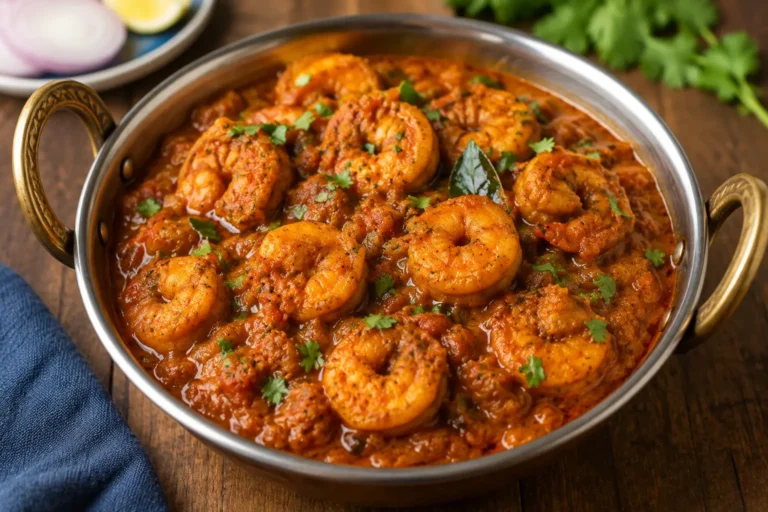
- Goan Prawn Curry: Swap the fish for 500g of peeled and deveined large prawns. They cook even faster—just 3 to 4 minutes in the simmering gravy!
- Vegetarian Goan Curry: Replace the fish with a mix of fresh button mushrooms, cauliflower florets, and green peas. Sauté the vegetables briefly before adding the gravy.
- Mild Goan Curry: If you are sensitive to heat, deseed the Kashmiri chilies before soaking them, and omit the fresh green chilies from the curry base entirely.
Serving Suggestions
- The Ultimate Classic: Serve this piping hot over a bed of steamed Basmati or Goan red rice. The rice acts like a sponge, soaking up every drop of the tangy gravy.
- Weekend Feast: If you are hosting friends over the weekend, make a complete Indian spread. Serve this curry alongside some crispy, homemade Samosa Recipe as an appetizer, followed by the curry and warm naan.
- Brunch Fusion: For a spectacular Sunday brunch, serve the warm Goan fish curry gravy as a dipping sauce alongside a fresh, crispy Masala Dosa Recipe.
- Midweek Simplicity: Keep it light for a weekday dinner by pairing the curry with a simple cucumber-tomato kachumber salad and a side of quick-steamed broccoli.
Storage
Store any leftovers in an airtight container in the refrigerator for up to 2 days. Fish curry actually tastes even better the next day as the fish absorbs the spices. However, because seafood is delicate, we do not recommend freezing this curry as the texture of the fish will become mushy upon thawing.
Reheating
To reheat, transfer the curry to a small saucepan and warm it over low heat. Stir very gently to avoid breaking the fish. Do not microwave on high heat, as this will overcook the fish and make it rubbery.
Frequently Asked Questions
What is the best fish to use for Goan Fish Curry?
Firm-fleshed white fish is absolute best. Traditionally, Kingfish (surmai) is used in Goa. Great western alternatives include Sea Bass, Halibut, Cod, Monkfish, or Mahi Mahi. Avoid very delicate fish like tilapia or sole, which easily break apart.
Can I make this curry without fresh coconut?
Yes, you can use frozen grated coconut from an Indian grocery store, which is highly recommended. If you cannot find that, you can substitute the blended fresh coconut paste with a thick canned coconut milk, though the texture of the gravy will be slightly thinner.
How do I make the curry less spicy?
The red color of Goan curry comes from Kashmiri red chilies, which are naturally very mild. To reduce the heat further, slice open the dried chilies and scrape out the seeds before soaking them, and omit the fresh green chilies from the stir-fry.
What gives Goan curry its unique sour flavor?
Tamarind! It is the defining ingredient of coastal Goan cuisine, giving the curry its signature sour punch that perfectly balances the sweetness of the coconut.
Can I use coconut oil instead of vegetable oil?
Yes! In fact, authentic Goan fish curry is almost always cooked in pure coconut oil. It adds a wonderful, rustic, tropical aroma to the final dish.
Why did my coconut curry split?
Coconut gravy splits when it is boiled too aggressively. Always keep your stove on a gentle, low simmer once the coconut paste or milk is added, and avoid covering the pan with a tight lid on high heat.
Conclusion
Cooking an authentic Goan Fish Curry doesn’t require a plane ticket to the coast of India. With just a blender, some fresh coconut, and a good piece of fish, you can recreate the magic of Goan beach shacks right in your own kitchen. Pour it over warm rice, share it with people you love, and enjoy the beautiful warmth of coastal cooking.
Recipe Index
More Recipes You’ll Love

Authentic Goan Fish Curry
Ingredients
Method
- Place your 500g of fish chunks in a bowl. Rub gently with lime juice, 1/2 tsp salt, and 1/4 tsp turmeric powder. You will see the fish turn a beautiful golden hue. Set aside to marinate for 15 minutes at room temperature; this seasons the fish deep to the bone so it isn't bland inside.
- In a high-powered blender, combine the grated coconut, soaked Kashmiri chilies, coriander seeds, cumin seeds, garlic, ginger, tamarind paste, and remaining turmeric. Add 1/2 cup of water and blend until it forms a completely smooth, bright orange-red paste. It should feel velvety between your fingers, with no grainy coconut bits remaining.
- Heat 2 tbsp of coconut oil in a deep pan over medium heat. Add the finely chopped onions and green chilies. Sauté for about 5 minutes until the onions turn soft, sweet, and translucent. You want them to dissolve into the gravy later, not stay crunchy.
- Add the chopped tomatoes to the pan. Cook for 3 to 4 minutes, pressing down with your spoon, until they soften completely and begin to release their oils around the edges of the pan.
- Pour the blended orange masala paste into the pan. Stir continuously over medium-low heat for 5 minutes. You will smell the raw garlic and ginger fade away, replaced by an intensely aromatic, sweet, roasted coconut aroma. Tiny droplets of oil will begin to separate at the edges.
- Stir in the thin coconut milk (or water) to adjust the consistency. Bring the gravy to a gentle, lazy simmer. Do not let it boil rapidly, or the coconut may split. Season with salt to taste.
- Gently slide the marinated fish pieces into the simmering gravy. Swirl the pan to submerge them completely. Cover and simmer gently for 5 to 7 minutes. You will know the fish is done when it turns opaque and flakes easily when nudged with a fork. Turn off the heat and let it rest for 5 minutes before serving.