Authentic South Indian Coconut Chutney

Authentic South Indian Coconut Chutney

Introduction

Close your eyes and imagine the sound of sputtering mustard seeds jumping in hot coconut oil, followed by the fragrant, earthy tear of fresh curry leaves hitting the pan. That aromatic crackle is the soul of a great South Indian breakfast, and it all comes together over a bowl of fresh coconut chutney. Creamy, mildly sweet, and carrying a gentle kick of green chili, this chutney is the quiet hero that elevates a simple meal into something deeply comforting.

Many beginners find their chutneys turning out watery or lacking that signature nutty depth. Don’t worry—I am going to teach you the simple physical cues that guarantee a perfectly bound, restaurant-style texture every single time. It is much easier than you think once you know what to look for.

Why You’ll Love This Recipe

  • Ready in under 10 minutes from start to finish.
  • Perfectly emulsified texture that won’t separate into water and coconut on your plate.
  • Uses basic pantry staples like roasted chana dal and mustard seeds.
  • Highly adaptable to your heat tolerance and flavor preferences.
  • Brings authentic South Indian restaurant flavors right to your home kitchen.

Ingredients

  • 150 g Fresh or frozen grated coconut (Thawed completely if frozen)
  • 2 tbsp Roasted chana dal (Also known as dalia)
  • 1 to 2 Green chilies (Adjust to heat preference)
  • 1/2 inch Ginger (Peeled and sliced)
  • 1/2 cup Water (Use warm water if using frozen coconut)
  • 1/2 tsp Salt (Or to taste)
  • 1 tbsp Coconut oil (For authentic flavor)
  • 1/2 tsp Mustard seeds (For tempering)
  • 1/2 tsp Split urad dal (Skinned black gram)
  • 1 Dried red chili (Halved)
  • 8 to 10 Fresh curry leaves (Torn slightly to release oils)
  • 1 pinch Asafoetida (Hing)

How to Make

Step 1: Combine Base Ingredients

Add the grated coconut, roasted chana dal, green chilies, sliced ginger, and salt to a blender jar along with 1/4 cup of water.

Step 2: Blend to a Textured Paste

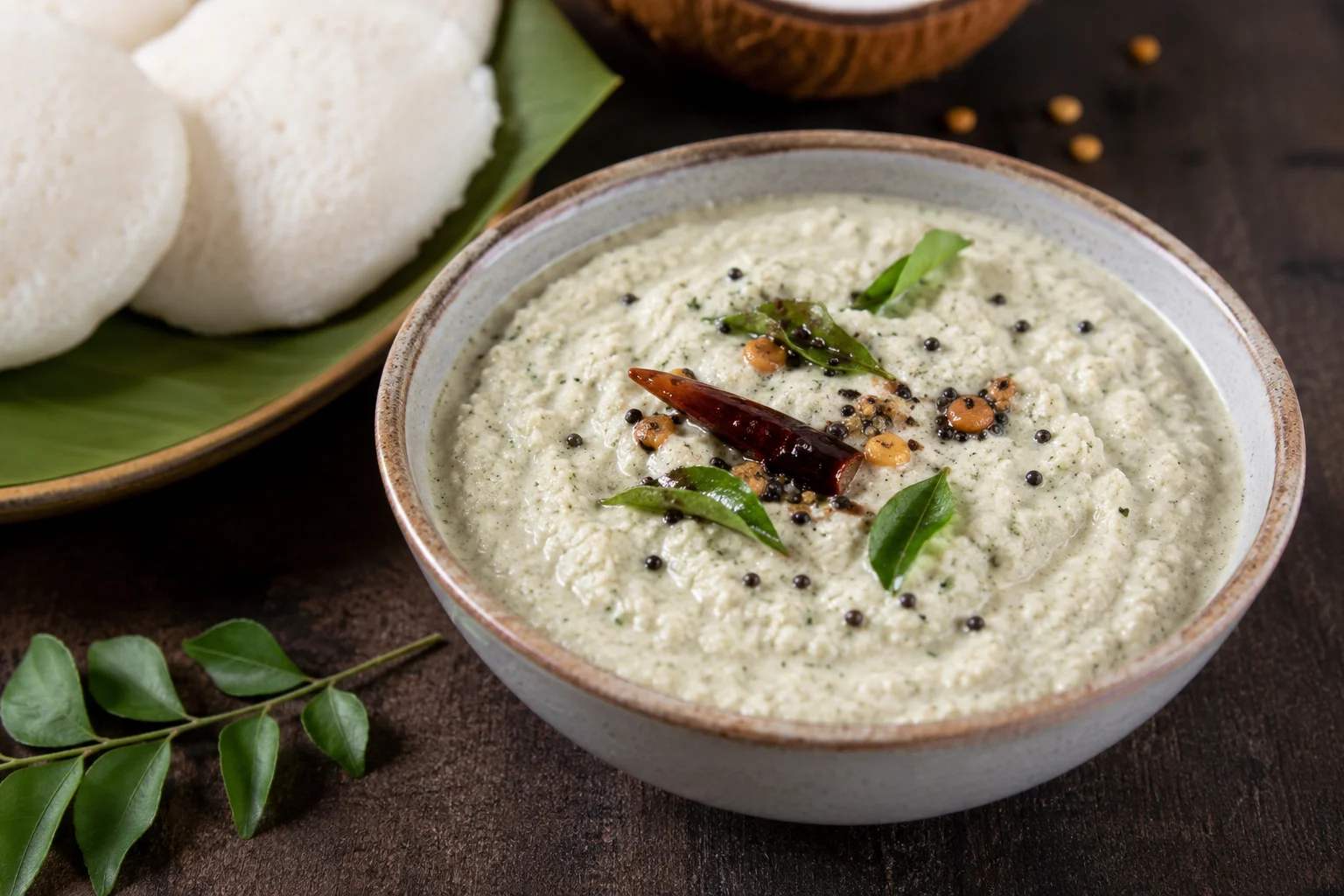
Pulse in short bursts, adding more water a little at a time, until the chutney is thick, creamy, and finely textured (resembling wet sand). Pour into a heatproof bowl.

Step 3: Heat the Oil

Heat 1 tablespoon of coconut oil in a small tempering pan on medium heat until hot but not smoking.

Step 4: Splutter the Mustard Seeds

Add the mustard seeds. Wait for them to begin popping and crackling vigorously to release their aromatics.

Step 5: Toast the Lentils and Herbs

Add the split urad dal, dried red chili, curry leaves, and a pinch of asafoetida. Sauté for 15 seconds until the urad dal turns light golden and curry leaves crisp up.

Step 6: Pour and Temper

Immediately pour the hot, sizzling tadka over the blended coconut paste. Gently fold the tempering into the chutney right before serving.

Chef’s Tips

  • 💡 Chef’s Tip: Always use warm water when blending frozen coconut. Cold water causes the natural fats in the coconut to solidify, resulting in a greasy, separated texture.
  • 💡 Chef’s Tip: Do not over-blend the chutney. Grinding it for too long heats up the blender blades, which can release the coconut oil and turn your fresh chutney into a heavy paste.
  • 💡 Chef’s Tip: For a restaurant-style twist, you can add a tiny tablespoon of thick yogurt to the blender. It adds a lovely, subtle tang that cuts through the richness of the coconut.

Common Mistakes to Avoid

  • ❌ Using cold water with frozen coconut, which causes the coconut fats to freeze and separate into a curdled mess.
  • ❌ Skipping the roasted chana dal, leaving you with a watery layer at the bottom of your serving bowl.
  • ❌ Letting the mustard seeds burn or fail to pop, which leaves an unpleasately bitter, raw taste in your mouth.
  • ❌ Pouring the tempering into a cold pan, which makes the lentils soggy instead of crispy and fragrant.

💡 Before You Start

The most important habit to build before making coconut chutney is to practice ‘mise en place’—which is just a fancy culinary term for having all your ingredients measured and ready by the stove. The tempering process (tadka) happens incredibly fast, often in under 60 seconds. If you are searching for curry leaves in the fridge while your mustard seeds are already in hot oil, you will end up burning the spices. Have everything lined up next to your frying pan before you turn on the heat.

Variations

  • Green Coconut Chutney: Add a handful of fresh coriander leaves and a few mint leaves to the blender for a bright, herbaceous kick.
  • Red Spicy Coconut Chutney: Sauté 2-3 dried red chilies and a small clove of garlic in a drop of oil before blending them with the coconut to get a fiery, reddish hue.
  • Garlic Coconut Chutney: Blend 2 small cloves of raw garlic with the coconut base for a punchy, sharp flavor profile that pairs wonderfully with crispy snacks.

Serving Suggestions

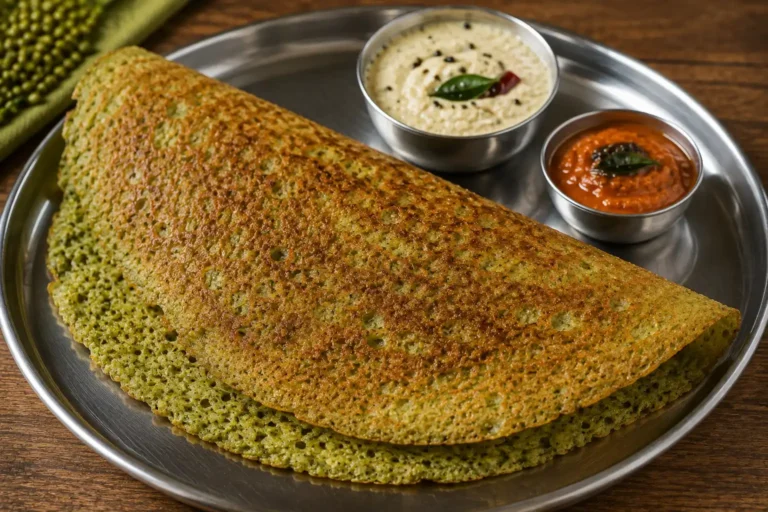
This coconut chutney is a spectacular breakfast companion. It is traditionally served alongside a hot, crispy Masala Dosa Recipe on slow weekend mornings, allowing you to scoop up the creamy chutney with the spiced potato-filled crepe.

If you are hosting a casual afternoon tea, try using this cool, refreshing chutney as a dipping sauce next to a piping hot Samosa Recipe. The contrast between the warm, spiced pastry and the cool coconut is absolutely addictive.

For a unique coastal-inspired weekday dinner, serve this chutney as a side element to cool down the palate after enjoying a rich, fiery Indian Fish Curry with steamed basmati rice.

Storage

Store any leftovers in an airtight container in the refrigerator for up to 2 days. Because coconut spoils very quickly, it is best eaten fresh. If the chutney thickens too much in the fridge, stir in a tablespoon of warm water before serving to restore its creamy consistency.

Reheating

Never reheat coconut chutney on the stove or in the microwave. Heating coconut paste directly will cause the oils to separate and destroy the fresh, vibrant flavor. Instead, simply leave the chutney on the kitchen counter for 20-30 minutes to let it come to room temperature naturally before eating.

Frequently Asked Questions

Why is my coconut chutney watery and separating?

This happens when there isn’t enough roasted chana dal to bind the mixture, or if too much water was added at once. Ensure you use the recommended amount of roasted chana dal to emulsify the water and coconut fats.

Can I make this chutney with desiccated coconut?

Yes, you can. Simply soak desiccated (dry unsweetened) coconut in warm water for 15-20 minutes before grinding to rehydrate it and mimic the texture of fresh coconut.

Why did my tempering (tadka) turn bitter?

The oil was likely too hot, causing the mustard seeds or urad dal to burn. If your seeds turn black and smoke, discard the oil and start the tempering step over on lower heat.

How do I make the chutney look bright white?

To get a snow-white chutney, ensure you only use the white flesh of the coconut (avoid scraping the brown skin). Also, omit ingredients like coriander or roasted chana dal, or reduce the quantity of ginger.

Can I freeze coconut chutney?

You can freeze the blended coconut base (without tempering) for up to a month. When ready to eat, thaw it completely at room temperature, stir well, and then prepare and pour fresh hot tempering on top.

What can I use if I don’t have roasted chana dal?

You can substitute roasted chana dal with raw, unsalted cashews or a tablespoon of roasted peanuts. They will provide a similar binding effect and a rich, creamy texture.

Conclusion

With just a handful of ingredients and a bit of practice with your tempering sounds, you can make a bowl of authentic coconut chutney that rivals any South Indian restaurant. Gather your ingredients, prep your tadka, and enjoy the comforting ritual of Indian home cooking!

Recipe Index

Browse All Recipes →

More Recipes You’ll Love

Authentic South Indian Coconut Chutney

Authentic South Indian Coconut Chutney

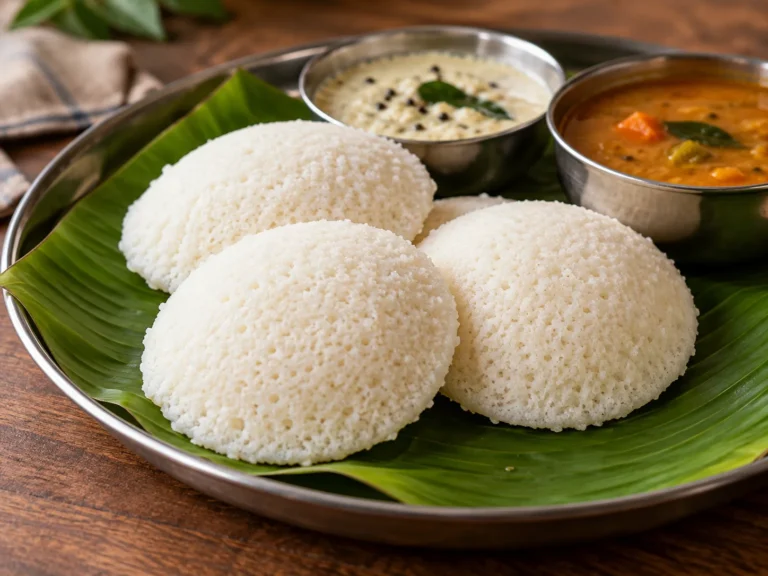
A creamy, refreshing South Indian coconut chutney tempered with mustard seeds, curry leaves, and chana dal. The ultimate companion for idlis and dosas.
Prep Time 5 minutes
Cook Time 3 minutes
Total Time 8 minutes
Servings: 4

Ingredients
  

  • 150 g Fresh or frozen grated coconut Thawed completely if frozen
  • 2 tbsp Roasted chana dal Also known as dalia
  • 1 to 2 Green chilies Adjust to heat preference
  • 1/2 inch Ginger Peeled and sliced
  • 1/2 cup Water Use warm water if using frozen coconut
  • 1/2 tsp Salt Or to taste
  • 1 tbsp Coconut oil For authentic flavor
  • 1/2 tsp Mustard seeds For tempering
  • 1/2 tsp Split urad dal Skinned black gram
  • 1 Dried red chili Halved
  • 8 to 10 Fresh curry leaves Torn slightly to release oils
  • 1 pinch Asafoetida Hing

Method
 

  1. Add the grated coconut, roasted chana dal, green chilies, sliced ginger, and salt to a blender jar along with 1/4 cup of water.
  2. Pulse in short bursts, adding more water a little at a time, until the chutney is thick, creamy, and finely textured (resembling wet sand). Pour into a heatproof bowl.
  3. Heat 1 tablespoon of coconut oil in a small tempering pan on medium heat until hot but not smoking.
  4. Add the mustard seeds. Wait for them to begin popping and crackling vigorously to release their aromatics.
  5. Add the split urad dal, dried red chili, curry leaves, and a pinch of asafoetida. Sauté for 15 seconds until the urad dal turns light golden and curry leaves crisp up.
  6. Immediately pour the hot, sizzling tadka over the blended coconut paste. Gently fold the tempering into the chutney right before serving.

Similar Posts

Leave a Reply

Your email address will not be published. Required fields are marked *

Recipe Rating