Bengali Chingri Malai Curry
Introduction
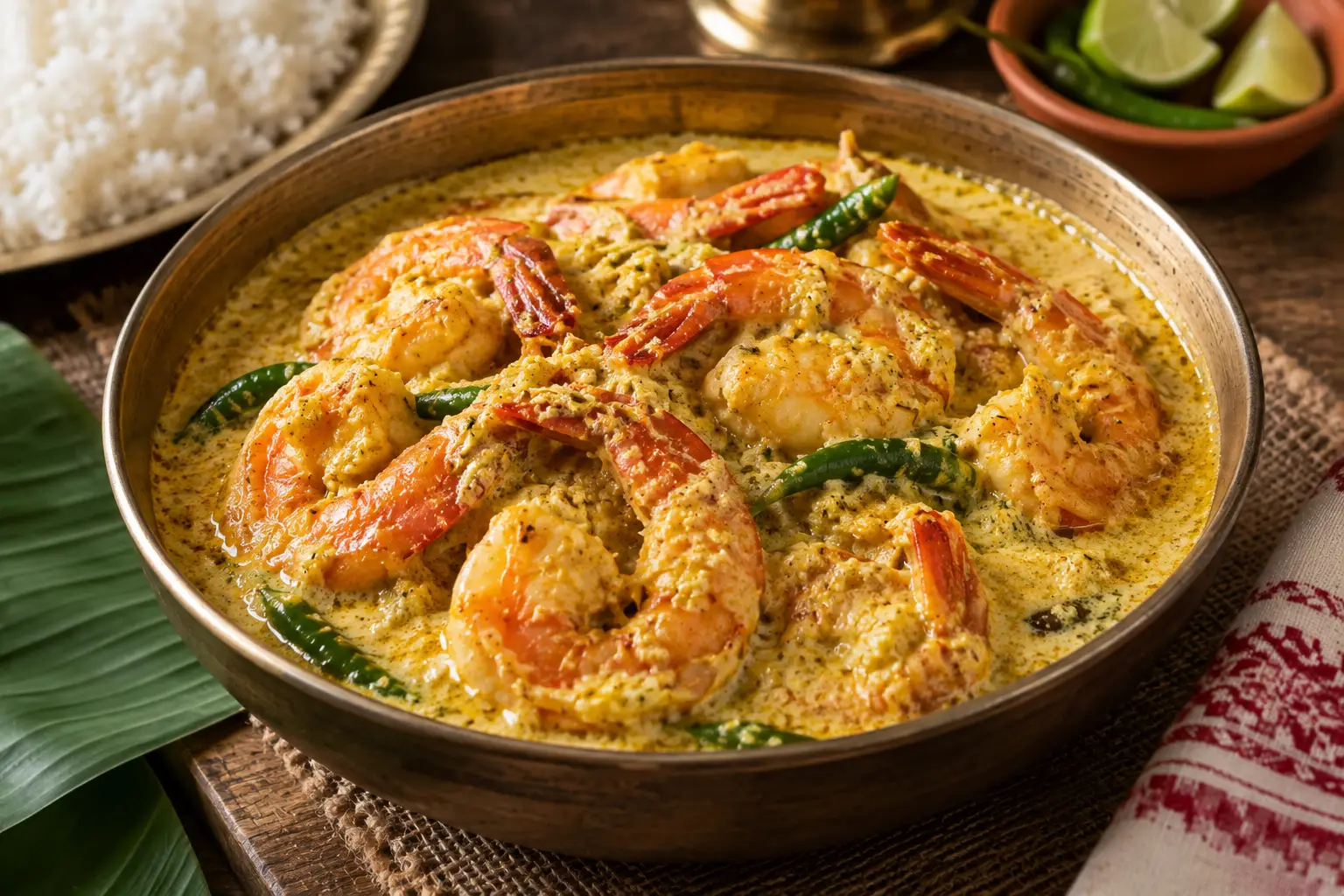
Imagine stepping into a kitchen where the sharp, rustic aroma of hot mustard oil blends seamlessly with the sweet, tropical perfume of fresh coconut milk. That is the magic of Bengali Chingri Malai Curry. The prawns become incredibly tender, bathed in a silky, golden sauce that balances sweet, savory, and a hint of warm spice. It is a sensory masterpiece that feels luxurious yet is surprisingly simple to make at home.
It’s the ultimate Sunday feast dish. In Bengal, this isn’t just another dinner; it’s a celebration on a plate. You don’t need years of culinary training to get this right. You just need to listen to the sizzle of the pan, watch the colors shift, and trust the process. The first time you see that rich, golden oil separate around the edges of the coconut gravy, you will know you have created something truly spectacular.
This is the kind of curry that demands you ditch the fork. It is a shared experience, meant to be eaten with family and friends as you mix that rich coconut gravy into warm rice with your fingers, sharing stories across a crowded table.
Why You’ll Love This Recipe
- Velvety texture achieved naturally without any heavy dairy cream.
- Simple, accessible ingredients that produce a restaurant-quality regional masterpiece.
- Fast cooking time—prawns simmer to perfection in just a few minutes.
- Perfectly balanced flavor profile featuring sweet coconut, warm spices, and rustic oil.
- An elegant, foolproof showstopper that is perfect for both weeknights and dinner parties.
Ingredients
- 500 g large prawns (cleaned, deveined, with tails left on)
- 1/2 tsp turmeric powder (divided use)
- 1/2 tsp salt (divided use)
- 3 tbsp mustard oil (authentic brand preferred)
- 1 whole bay leaf (tejpatta)
- 3 whole green cardamom pods (gently crushed)
- 1 inch cinnamon stick (broken in half)
- 3 whole cloves (whole spice)
- 1 tbsp ginger paste (freshly ground)
- 1/2 tsp Kashmiri red chili powder (for vibrant golden color)
- 1/2 tsp cumin powder (ground cumin)
- 1 cup thick coconut milk (full-fat canned or fresh)
- 1/2 cup warm water (to adjust gravy consistency)
- 1 tsp sugar (essential to balance the flavors)
- 3 whole green chilies (slit lengthwise)
- 1/2 tsp garam masala powder (for the final aromatic finish)
- 1 tsp ghee (optional, for finishing gloss)
How to Make
Step 1: Marinate the Prawns
Gently toss 500g of cleaned, deveined prawns with 1/4 tsp turmeric powder and 1/4 tsp salt in a bowl. Let them sit for 10 minutes at room temperature. This brief rest draws out excess surface moisture and seasons the flesh, preparing the prawns to sear beautifully.
Step 2: Smoke the Mustard Oil
Heat 3 tbsp of mustard oil in a heavy-bottomed pan over medium heat. Watch closely until a faint, wispy white smoke begins to rise from the surface. This tells you the raw, harsh pungency of the mustard oil has burned off, leaving behind a smooth, deeply nutty cooking base.
Step 3: Sear the Prawns briefly
Carefully slide the marinated prawns into the hot oil. Sear them for only 1 minute per side until they turn light pink and form loose ‘C’ shapes. Immediately scoop them out with a slotted spoon and transfer them to a plate; this prevents them from overcooking and becoming rubbery.
Step 4: Bloom the Whole Spices
Lower the heat slightly. Add the bay leaf, crushed green cardamoms, cinnamon stick, and cloves into the remaining aromatic oil. Stir for 30 seconds until you hear them sizzle and smell a warm, sweet, exotic aroma release into the air.
Step 5: Sauté the Spice Paste
Add 1 tbsp ginger paste, the remaining 1/4 tsp turmeric, cumin powder, and Kashmiri red chili powder mixed with 2 tbsp of water (to prevent burning). Sauté for 2 to 3 minutes, stirring constantly, until the water evaporates and you see tiny droplets of oil separating at the edges of the paste.
Step 6: Simmer the Coconut Milk
Pour in 1 cup of thick coconut milk, 1/2 cup of warm water, 1 tsp sugar, and the remaining 1/4 tsp of salt. Stir gently to combine. Bring the mixture to a slow, gentle simmer. You will see a beautiful, glossy golden layer of spiced oil begin to pool on the surface.
Step 7: Gently Cook the Prawns
Gently slide the seared prawns and any juices collected on the plate back into the simmering gravy. Add 3 slit green chilies. Simmer on low heat for 3 to 4 minutes. The gravy will thicken slightly, and the prawns will become perfectly tender as they absorb the coconut flavors.
Step 8: Aromatic Finish
Sprinkle 1/2 tsp garam masala powder and drizzle 1 tsp ghee over the top. Stir gently, turn off the heat, and cover the pan with a tight lid for 2 minutes. This traps the volatile aromatic oils inside, infusing the entire curry before you serve.
Chef’s Tips
- 💡 Chef’s Tip: Smoke your mustard oil until you see a faint, wispy white smoke rise from the surface. This crucial step burns off the harsh, raw pungency of the oil, transforming it into a smooth, nutty cooking base.
- 💡 Chef’s Tip: Sear the prawns for no more than one minute per side. They should look light pink and form a gentle ‘C’ shape; if they curl tightly into an ‘O’ shape, they are overcooked and will turn rubbery.
- 💡 Chef’s Tip: Shake your can of coconut milk vigorously before opening it. This emulsifies the thick cream and coconut water inside, ensuring your curry gravy turns out uniformly smooth and glossy.
Common Mistakes to Avoid
- ❌ Overcooking the prawns: Leaving them in the pan too long turns sweet, tender seafood into tough, rubbery bites.
- ❌ Skipping the oil smoking process: Using cold or unsmoked mustard oil leaves a harsh, bitter raw taste that overpowers the delicate coconut.
- ❌ Using light or low-fat coconut milk: This results in a thin, watery curry that lacks the signature luscious, velvety texture.
- ❌ Adding the coconut milk over high heat: Boiling the coconut milk rapidly can cause it to split and curdle; keep the heat at a gentle simmer.
- ❌ Not cleaning or deveining the prawns: Skipping this step can introduce a gritty, unpleasant texture to your otherwise silky curry.
💡 Before You Start
Before you even turn on the stove, get all your ingredients prepped, measured, and arranged within arm’s reach. Prawns cook incredibly fast, and mustard oil can transition from perfectly hot to burnt in a matter of seconds. Having your ginger paste, coconut milk, and whole spices ready keeps you calm, organized, and in complete control of the cooking process.
Variations
- Lobster Malai Curry: Swap the prawns for succulent lobster tails cut into chunks for an ultra-luxurious holiday version of this dish.
- Spicier Green Chili Twist: Increase the number of slit green chilies and add a pinch of fresh black pepper at the end for a brighter, sharper heat.
- Vegan Tofu ‘Malai’ Curry: Replace the prawns with pan-seared extra-firm tofu blocks to enjoy the same velvety, spiced coconut gravy in a plant-based format.
Serving Suggestions
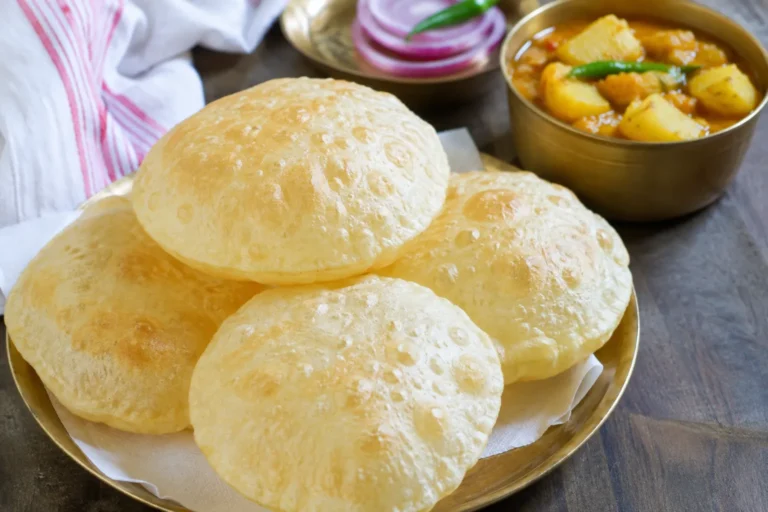
For a classic weekend lunch, serve this curry piping hot over a generous bed of steaming Basmati rice, allowing the grains to soak up every drop of golden gravy. If you want the ultimate bread pairing, dip hot, puffy Authentic Bengali Luchi Recipe straight into the sweet and savory sauce. Balance the richness of the coconut milk by serving a refreshing, chilled glass of Authentic Mango Lassi alongside your meal. To finish your feast on a spectacular note, treat your guests to warm, syrup-soaked Easy Gulab Jamun Recipe for dessert.
Storage
Store any leftover curry in an airtight container in the refrigerator for up to 2 days. Because seafood is highly delicate, it is always best enjoyed fresh to preserve its sweet flavor and tender texture.
Reheating
To reheat, place the curry in a small saucepan over low heat. Add a tablespoon of warm water or coconut milk to loosen the gravy, stirring gently until heated through. Avoid using a microwave on high power, as this will quickly overcook and toughen the prawns.
Frequently Asked Questions
Can I use frozen prawns for this recipe?
Yes, frozen prawns work beautifully. Just make sure to thaw them completely in the refrigerator and pat them thoroughly dry with paper towels before marinating, otherwise they will steam instead of searing in the oil.
What can I use instead of mustard oil?
While mustard oil provides the traditional, rustic, and authentic flavor characteristic of Bengali cuisine, you can substitute it with ghee or a neutral oil like canola or sunflower oil if it’s unavailable.
How do I prevent my coconut milk from curdling or splitting?
Coconut milk splits when exposed to high, rapid heat. Always keep your stove on a gentle low-to-medium simmer, stir the gravy occasionally, and avoid letting the curry come to a violent, rolling boil.
Should I use canned or fresh coconut milk?
Both work excellently! If using canned, make sure it is full-fat coconut milk and shake the can vigorously before opening to ensure the thick cream and liquid are thoroughly emulsified.
Is it necessary to leave the prawn heads and tails on?
It is not strictly necessary, but it is highly recommended. The shells and heads contain immense flavor that releases into the mustard oil and coconut milk, giving your gravy a much deeper seafood depth.
Why is it called ‘Malai’ curry if there is no dairy cream?
While ‘Malai’ typically means dairy cream in Hindi, in this Bengali dish, the word is historically believed to refer to ‘Malay’ (Malaysia), from where the style of cooking seafood in coconut milk was introduced to Bengal.
Conclusion
There is something deeply satisfying about watching a few simple ingredients transform into a gold-tinted, velvety gravy. Once you master the simple rhythm of smoking the oil, searing the prawns, and reducing the coconut milk, this Bengali classic will become a regular star in your home cooking rotation. Gather your loved ones, break some warm bread, and enjoy the rich, sensory journey.
Recipe Index
More Recipes You’ll Love
Bengali Chingri Malai Curry
Ingredients
Method
- Gently toss 500g of cleaned, deveined prawns with 1/4 tsp turmeric powder and 1/4 tsp salt in a bowl. Let them sit for 10 minutes at room temperature. This brief rest draws out excess surface moisture and seasons the flesh, preparing the prawns to sear beautifully.
- Heat 3 tbsp of mustard oil in a heavy-bottomed pan over medium heat. Watch closely until a faint, wispy white smoke begins to rise from the surface. This tells you the raw, harsh pungency of the mustard oil has burned off, leaving behind a smooth, deeply nutty cooking base.
- Carefully slide the marinated prawns into the hot oil. Sear them for only 1 minute per side until they turn light pink and form loose 'C' shapes. Immediately scoop them out with a slotted spoon and transfer them to a plate; this prevents them from overcooking and becoming rubbery.
- Lower the heat slightly. Add the bay leaf, crushed green cardamoms, cinnamon stick, and cloves into the remaining aromatic oil. Stir for 30 seconds until you hear them sizzle and smell a warm, sweet, exotic aroma release into the air.
- Add 1 tbsp ginger paste, the remaining 1/4 tsp turmeric, cumin powder, and Kashmiri red chili powder mixed with 2 tbsp of water (to prevent burning). Sauté for 2 to 3 minutes, stirring constantly, until the water evaporates and you see tiny droplets of oil separating at the edges of the paste.
- Pour in 1 cup of thick coconut milk, 1/2 cup of warm water, 1 tsp sugar, and the remaining 1/4 tsp of salt. Stir gently to combine. Bring the mixture to a slow, gentle simmer. You will see a beautiful, glossy golden layer of spiced oil begin to pool on the surface.
- Gently slide the seared prawns and any juices collected on the plate back into the simmering gravy. Add 3 slit green chilies. Simmer on low heat for 3 to 4 minutes. The gravy will thicken slightly, and the prawns will become perfectly tender as they absorb the coconut flavors.
- Sprinkle 1/2 tsp garam masala powder and drizzle 1 tsp ghee over the top. Stir gently, turn off the heat, and cover the pan with a tight lid for 2 minutes. This traps the volatile aromatic oils inside, infusing the entire curry before you serve.