Bhindi Masala Recipe

Bhindi Masala

Introduction

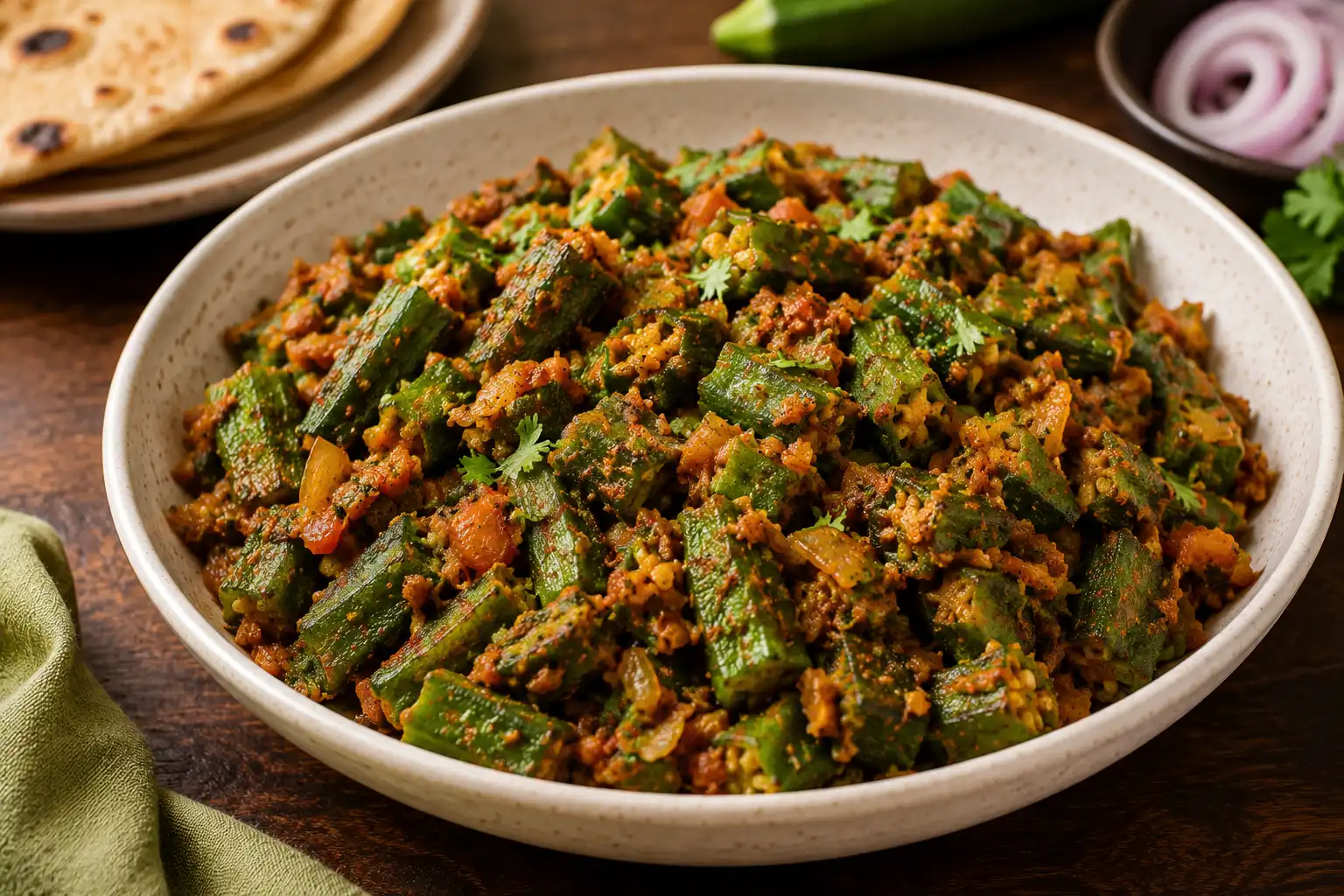
Imagine tender okra pods, sliced into bite-sized rounds, pan-fried until their edges turn a beautiful golden-brown, then tossed with sweet caramelized onions and warm spices. That is the magic of a perfect Bhindi Masala. If you have ever avoided okra because you were worried about it turning slimy, let me let you in on a secret: it is all in how you prep it. Today, I am going to teach you exactly how to tame this wonderful vegetable so it stays crisp and delicious every single time.

There is a comforting, rhythmic hum to making this dish on a quiet weeknight. As the cumin seeds crackle in hot oil and the bhindi starts to blister, your kitchen will fill with an aroma that feels like a warm hug. It is a dry stir-fry, meaning every bit of spice clings directly to the vegetable rather than drowning in a heavy gravy.

While rich curries like our famous Butter Chicken Recipe are wonderful for special occasions, a simple, spiced stir-fry like this bhindi is what everyday Indian home cooking is truly about. Grab your apron, and let’s get cooking!

Why You’ll Love This Recipe

  1. Absolutely Zero Slime: I will teach you the golden rules of washing and drying okra to ensure a clean, dry, crisp bite every single time.
  2. Fast and Weeknight-Friendly: From prep to plate, this flavorful side dish comes together in under 35 minutes.
  3. Perfect Balance of Flavors: The sweet caramelized onions contrast beautifully with the tangy punch of dry mango powder (amchur).
  4. Vibrant and Healthy: Packed with dietary fiber and cooked with minimal oil, it is a nutritious addition to any meal.
  5. Naturally Vegan and Gluten-Free: A clean, plant-based recipe that everyone at your table can safely enjoy.

Ingredients

  • 500 g Fresh Bhindi (Okra) (Washed, dried completely with a towel, and cut into 1/2-inch rounds)
  • 3 tbsp Mustard Oil (Or any neutral cooking oil)
  • 1 tsp Cumin Seeds (Jeera)
  • 2 medium Red Onions (Thinly sliced lengthwise)
  • 1 inch Ginger (Finely julienned or minced)
  • 3 cloves Garlic (Minced)
  • 2 Green Chilies (Slit lengthwise)
  • 1/2 tsp Turmeric Powder (Haldi)
  • 1 tsp Kashmiri Red Chili Powder
  • 1.5 tsp Coriander Powder
  • 1 tsp Dry Mango Powder (Amchur)
  • 1/2 tsp Garam Masala
  • 1 tsp Salt (Adjust to taste)

How to Make

Step 1: Prep the Okra

What to do: Wash 500g of fresh bhindi thoroughly and pat each pod completely dry with a clean kitchen towel. Trim off both ends, then slice the okra into 1/2-inch-thick rounds. What to see: The okra slices should feel dry to the touch, with absolutely no moisture on your knife or cutting board. Why it matters: Any water mixed with the okra’s internal sap during cutting will create a sticky, slimy texture while cooking.

Step 2: Sear the Okra

What to do: Heat 2 tablespoons of oil in a wide, heavy-bottomed skillet over medium-high heat. Add the sliced okra and sauté undisturbed for 2-3 minutes, then gently flip. What to see: The okra edges will begin to blister, turn a light golden color, and lose their sticky appearance. Why it matters: High heat and minimal stirring sear the okra, locking in its moisture and cooking off any initial stickiness.

Step 3: Bloom the Cumin Seeds

What to do: Remove the seared okra from the pan and set it aside. In the same pan, add the remaining 1 tablespoon of oil. Once hot, add the cumin seeds. What to see: The cumin seeds will sizzle immediately, turn a deep brown color, and release an earthy aroma within 10-15 seconds. Why it matters: Sizzling the seeds in hot oil releases their essential oils, flavoring the entire base of the dish.

Step 4: Caramelize the Aromatics

What to do: Add the sliced onions, minced garlic, julienned ginger, and green chilies. Sauté on medium heat for 6-8 minutes. What to see: The onions will soften, turn a beautiful translucent golden-pink, and smell sweet and savory. Why it matters: Soft, caramelized onions provide a sweet counterpoint to the hot and tangy spices.

Step 5: Toast the Dry Spices

What to do: Lower the heat to medium-low and stir in the turmeric, Kashmiri red chili powder, coriander powder, and salt. What to see: The spices will toast in the oil, turning the onion mixture a rich, dark red-orange hue. Why it matters: Toasting the spices directly in the oil blooms their flavor without burning them, ensuring there is no raw spice taste.

Step 6: Combine and Simmer

What to do: Add the sautéed okra back into the pan. Toss very gently to combine with the spiced onion base and cook uncovered for 5-7 minutes on medium-low heat. What to see: The okra will absorb the spices, softening completely while holding its round shape beautifully. Why it matters: Slow cooking at the end allows all the spices to marry together without breaking the delicate okra pods.

Step 7: The Tangy Finish

What to do: Sprinkle the amchur (dry mango powder) and garam masala over the dish. Give it one final, gentle toss and turn off the heat. What to see: The dish will take on a lovely tangy aroma as the amchur hits the warm pan. Why it matters: Amchur cuts through the sweetness of the onions and acts as a final safeguard against slime, while garam masala adds a finishing touch of warm aromatics.

Chef’s Tips

  • 💡 Chef’s Tip: The Squeeze Test: When buying okra, gently press the tip. If it bends easily and feels tender, it’s fresh. If it’s woody and stiff, it will be fibrous and tough to chew when cooked.
  • 💡 Chef’s Tip: No Lid Rule: Never cover the pan with a lid while cooking the okra in the initial stages. The trapped steam will condense back onto the okra, making it mushy and slimy.
  • 💡 Chef’s Tip: Salt at the End: Only add salt after the okra has lost its moisture and is partially browned. Salt draws out moisture, which can trigger slime if added too early.

Common Mistakes to Avoid

  • ❌ Washing the okra after cutting it. This instantly releases the inner juices and guarantees a slimy final dish. Always wash and dry them whole.
  • ❌ Stirring too frequently. Constantly poking and turning the okra bruises the pods and coaxes out the slime. Let them sit and sear in the hot oil for a couple of minutes between turns.
  • ❌ Crowding the pan. If your skillet is too small, the okra will pile up and steam in its own moisture. Use a wide, heavy-bottomed frying pan or cook in batches.
  • ❌ Cooking on low heat. Okra needs medium-high heat initially to sear the outer skin and seal in the interior juices.

💡 Before You Start

Before you light the stove, let’s talk about the golden rule of cooking okra: moisture is the enemy. If you wash your okra and chop it while it is still wet, the water will mix with the okra’s natural sap and create a slimy mess. To prevent this, wash your 500g of bhindi at least an hour before cooking. Spread them out on a clean kitchen towel and pat them dry individually. They must be bone-dry to the touch before your knife even touches them. Also, keep your cutting board and knife completely dry throughout the prep process!

Variations

  1. Kurkuri Bhindi Masala (Crispy Fried Okra): Thinly slice the okra lengthwise, coat them in a light dusting of besan (gram flour), rice flour, and spices, then deep-fry or air-fry until incredibly crispy.
  2. Dahi Bhindi (Okra in Yogurt Gravy): If you prefer a saucy curry, whisk half a cup of plain yogurt with a pinch of turmeric and coriander powder, then stir it into the sauteed onions and tomatoes on low heat before adding the fried bhindi.
  3. Aloo Bhindi (Okra with Potatoes): Toss in some crispy, parboiled potato cubes alongside the okra. They soak up the spices beautifully and add a hearty texture.

Serving Suggestions

For a classic, comforting weekday dinner, serve this hot Bhindi Masala alongside soft, hand-rolled rotis or a fresh batch of Naan Recipe. There is nothing like tearing off a warm piece of flatbread and scooping up the spiced okra.

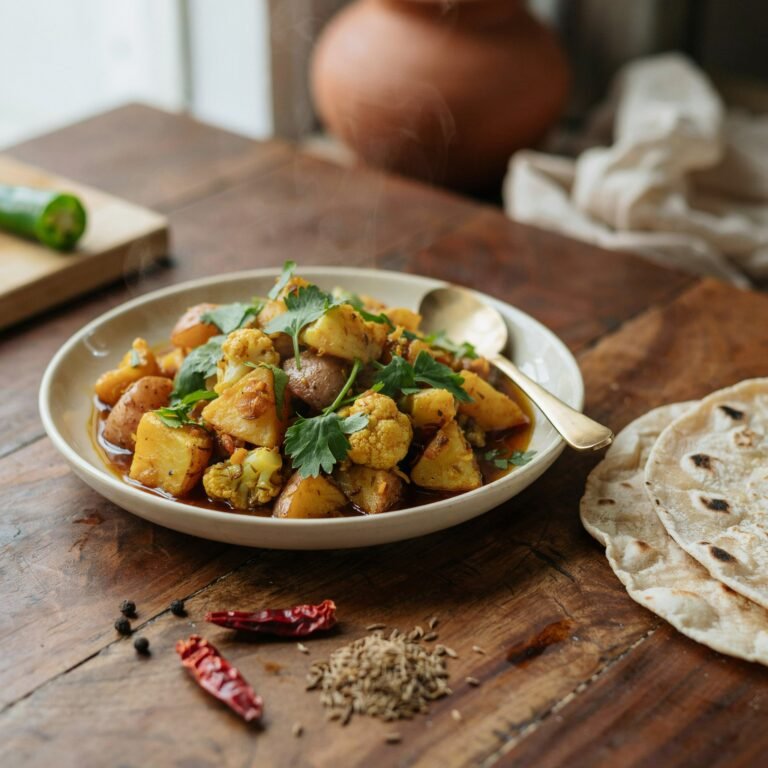
If you are hosting a weekend lunch, pair this dry okra stir-fry with a comforting bowl of dal, steamed basmati rice, and a side of quick, cumin-spiced potatoes like our popular Jeera Aloo Recipe for a complete, colorful vegetarian feast.

For a light, modern lunch, pack it into your meal prep containers with a side of cooling cucumber raita. The creamy, cold yogurt is the perfect antidote to the warm spices in the bhindi.

Serve it as a vibrant side dish alongside a rich, saucy main when hosting dinner guests. The dry, textured okra cuts through the richness of creamy gravies beautifully.

Storage

Bhindi Masala stores exceptionally well, making it a dream for meal prep. Let the cooked okra cool completely to room temperature before transferring it to an airtight container. Keep it in the refrigerator for up to 3 to 4 days. I do not recommend freezing this dish, as the texture of the okra will become soft and mushy upon thawing.

Reheating

To reheat, skip the microwave if you want to keep that lovely texture—microwaving can make the okra soggy. Instead, heat a teaspoon of oil in a non-stick skillet over medium-low heat. Add the cold Bhindi Masala and stir gently for 4-5 minutes until heated through and slightly revived.

Frequently Asked Questions

How do I keep my Bhindi Masala from getting slimy?

The secret lies in two rules: First, ensure the okra is completely dry to the touch before you slice it. Second, do not cover the pan with a lid during the initial cooking process, as trapped steam will trigger stickiness.

Can I use frozen okra for this recipe?

While fresh okra yields the best, crispiest texture, you can use frozen okra in a pinch. Do not thaw it before cooking; instead, toss the frozen slices directly into a very hot pan with oil to quickly sear off the moisture.

What can I use if I don’t have dry mango powder (amchur)?

If you don’t have amchur, you can substitute it with a squeeze of fresh lemon juice at the very end of cooking. However, add it slowly so you don’t introduce too much liquid to the pan.

Why is my okra tough and stringy?

This usually happens if you buy okra pods that are too mature. Mature okra becomes woody and fibrous. When shopping, choose smaller, tender pods that bend slightly when pressed.

Can I make this oil-free?

It is not recommended. Okra needs a decent coating of hot oil to sear its exterior skin quickly. Cooking it without oil will cause it to steam, releasing its inner sap and making it slimy.

Why do we add salt at the end?

Salt draws out moisture from vegetables. Adding it too early in the okra cooking process will draw out its inner sticky juices. Salting later keeps the okra dry and crisp.

Conclusion

Once you master the simple art of drying your okra and letting it sear patiently in the pan, Bhindi Masala will become a regular star in your kitchen rotation. It is simple, incredibly flavorful, and brings a true taste of Indian home cooking straight to your table. I can’t wait to hear how yours turns out!

Recipe Index

Browse All Recipes →

More Recipes You’ll Love

Bhindi Masala Recipe

Bhindi Masala

Learn the golden rules of washing, drying, and searing okra to make a beautifully spiced, perfectly crisp Bhindi Masala that is completely slime-free.
Prep Time 15 minutes
Cook Time 20 minutes
Total Time 35 minutes
Servings: 4

Ingredients
  

  • 500 g Fresh Bhindi Okra (Washed, dried completely with a towel, and cut into 1/2-inch rounds)
  • 3 tbsp Mustard Oil Or any neutral cooking oil
  • 1 tsp Cumin Seeds Jeera
  • 2 medium Red Onions Thinly sliced lengthwise
  • 1 inch Ginger Finely julienned or minced
  • 3 cloves Garlic Minced
  • 2 Green Chilies Slit lengthwise
  • 1/2 tsp Turmeric Powder Haldi
  • 1 tsp Kashmiri Red Chili Powder
  • 1.5 tsp Coriander Powder
  • 1 tsp Dry Mango Powder Amchur
  • 1/2 tsp Garam Masala
  • 1 tsp Salt Adjust to taste

Method
 

  1. What to do: Wash 500g of fresh bhindi thoroughly and pat each pod completely dry with a clean kitchen towel. Trim off both ends, then slice the okra into 1/2-inch-thick rounds. What to see: The okra slices should feel dry to the touch, with absolutely no moisture on your knife or cutting board. Why it matters: Any water mixed with the okra's internal sap during cutting will create a sticky, slimy texture while cooking.
  2. What to do: Heat 2 tablespoons of oil in a wide, heavy-bottomed skillet over medium-high heat. Add the sliced okra and sauté undisturbed for 2-3 minutes, then gently flip. What to see: The okra edges will begin to blister, turn a light golden color, and lose their sticky appearance. Why it matters: High heat and minimal stirring sear the okra, locking in its moisture and cooking off any initial stickiness.
  3. What to do: Remove the seared okra from the pan and set it aside. In the same pan, add the remaining 1 tablespoon of oil. Once hot, add the cumin seeds. What to see: The cumin seeds will sizzle immediately, turn a deep brown color, and release an earthy aroma within 10-15 seconds. Why it matters: Sizzling the seeds in hot oil releases their essential oils, flavoring the entire base of the dish.
  4. What to do: Add the sliced onions, minced garlic, julienned ginger, and green chilies. Sauté on medium heat for 6-8 minutes. What to see: The onions will soften, turn a beautiful translucent golden-pink, and smell sweet and savory. Why it matters: Soft, caramelized onions provide a sweet counterpoint to the hot and tangy spices.
  5. What to do: Lower the heat to medium-low and stir in the turmeric, Kashmiri red chili powder, coriander powder, and salt. What to see: The spices will toast in the oil, turning the onion mixture a rich, dark red-orange hue. Why it matters: Toasting the spices directly in the oil blooms their flavor without burning them, ensuring there is no raw spice taste.
  6. What to do: Add the sautéed okra back into the pan. Toss very gently to combine with the spiced onion base and cook uncovered for 5-7 minutes on medium-low heat. What to see: The okra will absorb the spices, softening completely while holding its round shape beautifully. Why it matters: Slow cooking at the end allows all the spices to marry together without breaking the delicate okra pods.
  7. What to do: Sprinkle the amchur (dry mango powder) and garam masala over the dish. Give it one final, gentle toss and turn off the heat. What to see: The dish will take on a lovely tangy aroma as the amchur hits the warm pan. Why it matters: Amchur cuts through the sweetness of the onions and acts as a final safeguard against slime, while garam masala adds a finishing touch of warm aromatics.

Similar Posts

Leave a Reply

Your email address will not be published. Required fields are marked *

Recipe Rating